
New York & New Jersey
SPECIAL EDUCATION ATTORNEY & PARENT ADVOCATE
I FOUGHT THE SYSTEM FOR MY SON.
NOW I FIGHT FOR YOURS.
I became a lawyer because I was tired of fighting the special education system alone. I understand these battles personally and I’m here to protect your child’s rights under IDEA and Section 504 in New York and New Jersey.
SCHEDULE YOUR FREE CONSULTATION
No Obligation. Just Answers.

EXPERIENCE AS A
PARENT FIRST
EXCLUSIVELY PARENT
ADVOCATE
AFFORDABLE &
ACCESSIBLE
DIRECT ATTORNEY
COMMUNICATION
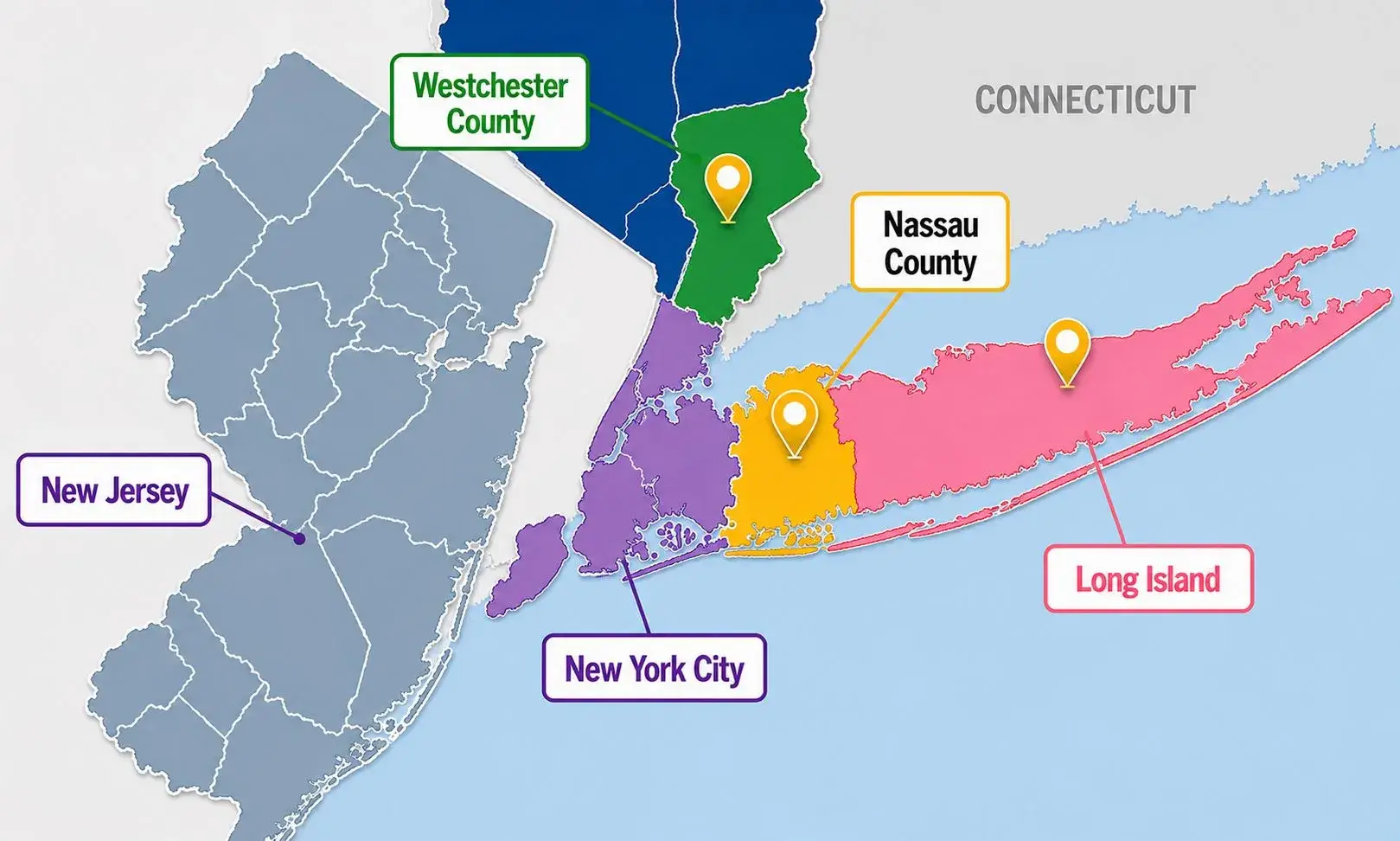
SERVING FAMILIES IN
NEW YORK & NEW JERSEY

This Is Personal.
Because I Lived It.
From 2017, I spent years battling the system for my son-fighting for his right to an appropriate education, the supports he needed, and the respect every child deserves. Now, I use that experience and my legal knowledge to help other families.
You don't have to fight alone anymore.
IDEA. SECTION 504. PARENT RIGHTS.
YOUR CHILD. YOUR VOICE. YOUR ADVOCATE.


My Story
Why This Fight Is
Personal To Me
My son has a disability. For years, I fought school districts, attended endless meetings, filled out mountains of paperwork, and heard "no" far too many times.
I navigated IDEA, Section 504, LRE disputes, MDR hearings, FBAs, BIPs, and school discipline issues. I learned how overwhelming and unfair the system can be when your child's education is on the line.
I became so tired of fighting the system alone that I eventually became a lawyer myself.
Today, I use that experience to help other families across New York and New Jersey protect their children's rights, navigate complex laws, and get the support their children deserve.
Advocacy Built On
Personal Experience
- Personally navigated IDEA and 504 disputes as a parent
- Extensive experience with LRE, MDR, FBA, and BIP matters
- Exclusive representation of parents and students never school districts
- Guidance on settlements, waivers, procedural protections, and educational rights
- Affordable and accessible advocacy for families
- Direct attorney communication and personalized representation
Our Approach

Client-Centered
We prioritize your goals and well-being, ensuring that every step we take is aligned with your unique needs and objectives. We are committed to providing personalized attention to every client.

Compassionate
We approach your case with empathy and understanding, recognizing the emotional and financial strain you may be experiencing while remaining sensitive to your unique circumstances.

Aggressive Advocacy
We vigorously advocate on your behalf, utilizing all available legal avenues to pursue the best possible outcome. Determined and strategic legal representation is at the core of our approach.
Speak Directly With a
Special Education Attorney
Who Has Lived These Battles.
Whether your child faces discipline issues, denied accommodations, or inappropriate placement, you don’t have to fight alone.
Special Education Advocacy Services
Empowering Families With Expert Legal Support

IEP & Section 504 Advocacy
• Accommodations, eligibilty & compliance

Least Restrictive Environment (LRE)
• Inclusion advocacy & placement disputes

Manifestation Determination Review (MDR)
• Suspensions & disability-related behaviour

FBA & Behavioral Support Advocacy
• Functional assessments & support plans

IDEA & Section 504 Violations
• Procedural safeguards & denial of services

School Discipline & Suspension Advocacy
• Hearings, removals & manifestation protections

Prior Written Notice(PWN) Violations
• Missing or Improper Notices

Behavior Intervention Plans (BIP)
• Plan implementation & inadequate support
Our Commitment
Practical Support for Behavior Intervention Plans
Call for legal service



Common School District Issues
We Help Families Address
We understand the challenges parents face when schools fail to meet THEIR OBLIGATIONS under IDEA and SECTION 504.
School Refusing Evaluations
Denial of assessments
Inappropriate Placements
Restrictive or Improper Settings
Suspensions &
Removals
Disciplinary actions.
Behavioral Support Failures
Ineffective or absent plans.
Failure to Provide Accommodations
Lack of supports & services.
Retaliation Against Parents & Students
Punitive Actions & Harassment
Serving Families Throughout
New York and New Jersey
We proudly represent parents and students across both states, ensuring children receive the services and protections they deserve.
Our practice is dedicated to families across New York and New Jersey. Whether you’re in Nassau County, NYC, or Northern New Jersey, we bring both lived experience and legal expertise to your child’s education case.
- School Refusing Evaluations
- Improper Placements
- Suspensions & Removals
- Failure to Provide Accommodations
- Behavioral Support Failures
- Retaliation Against Parents & Students
Frequently Asked Questions
Answers to common questions about special education rights and school procedures.
The Individuals with Disabilities Education Act (IDEA) is the federal law that guarantees every eligible child a Free Appropriate Public Education (FAPE). It requires schools to evaluate students, create an Individualized Education Program (IEP), and provide services in the Least Restrictive Environment (LRE). IDEA also gives parents procedural safeguards, meaning you have the right to challenge school decisions if your child’s needs are not being met.
Section 504 of the Rehabilitation Act protects students with disabilities who may not qualify for an IEP but still need accommodations. Examples include extended test time, assistive technology, or modified classroom seating. Section 504 ensures equal access to education and prohibits discrimination.
An Individualized Education Program (IEP) is a legally binding plan that sets out your child’s goals, services, and supports. A strong IEP should have measurable objectives, clear timelines, and specific services (like speech therapy or occupational therapy). If your child isn’t making progress, or if the goals are vague, the IEP may need revision. Parents have the right to request changes or challenge the plan.
An MDR is required when a student with disabilities faces suspension or expulsion. The school must determine whether the behavior was directly related to the child’s disability. If it was, the school cannot impose standard discipline and must instead adjust supports or placement.
An FBA identifies the triggers behind challenging behaviors, while a BIP provides strategies to address them. For example, if a child acts out due to sensory overload, the plan might include breaks or a quiet space. These tools help schools support students rather than punish them.
Schools must issue a Prior Written Notice whenever they propose or refuse to change a child’s services. This document explains the decision, the evidence considered, and your rights to challenge it. PWN ensures transparency and gives parents time to respond.
A Due Process Hearing is the most formal way for parents to challenge a school district’s decisions under the Individuals with Disabilities Education Act (IDEA) or Section 504. Think of it as a courtroom‑style proceeding, but focused entirely on education law.
How it works:
Parents (or their attorney) file a written complaint describing the violation.
The school district responds, and both sides exchange evidence.
A hearing is scheduled before an Administrative Law Judge (NJ) or an Impartial Hearing Officer (NY).
At the hearing, witnesses testify, documents are presented, and legal arguments are made.
What parents can challenge:
Denial of special education services.
Inappropriate IEP goals or placement.
Failure to provide accommodations under Section 504.
Disciplinary actions that ignore disability protections.
Possible remedies:
Compensatory education (extra services to make up for lost time).
Private school placement at district expense if the public school failed.
Revised IEPs with stronger supports.
Reimbursement for services parents had to pay for themselves.
Why it matters: A Due Process Hearing ensures accountability. Schools must prove they followed the law, and parents gain a fair chance to enforce their child’s rights. While hearings are complex, having an attorney or advocate greatly increases the likelihood of success.
When a school district refuses services or places a child in an inappropriate setting, parents have several legal options.
Request an IEP meeting: You can ask the school to reconvene the IEP team to review your child’s needs and propose changes.
Seek mediation: States offer mediation as a less formal way to resolve disputes. A neutral mediator helps both sides reach an agreement.
File for a Due Process Hearing: If mediation fails, parents can file for a hearing where an Administrative Law Judge (NJ) or Impartial Hearing Officer (NY) decides the case.
Why legal representation matters: Schools are usually represented by attorneys. Having your own advocate or attorney ensures deadlines are met, evidence is properly presented, and your child’s rights are fully protected.
Parents technically can file complaints and attend hearings on their own. However, school districts almost always have legal counsel. This creates an imbalance.
An experienced special education attorney or advocate:
Levels the playing field against the district’s lawyers.
Ensures your child’s rights under IDEA and Section 504 are enforced.
Helps prepare evidence, expert testimony, and legal arguments.
Increases the likelihood of a favorable outcome, whether through settlement, mediation, or hearing.
Bottom line: While not legally required, professional representation is often the difference between a school district ignoring your concerns and securing the services your child needs.
To make the most of your consultation, bring all documents that show your child’s educational history and current challenges.
IEPs and evaluations: These reveal what services have been offered and whether they are effective.
Report cards and progress notes: Evidence of academic performance and growth.
Disciplinary records: Important if behavior or school discipline is part of the dispute.
Communication from the school: Emails, letters, or meeting notes that show how the district has responded to your requests.
Why it matters: Having these materials ready allows the attorney to quickly assess your case, identify gaps in services, and recommend the strongest legal strategy.